
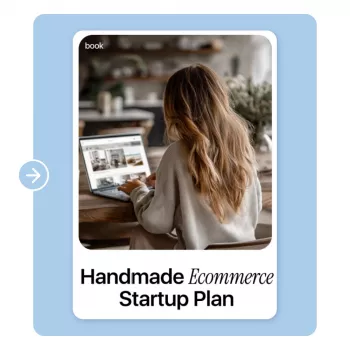
A Small Shop Startup Guide can help handmade sellers organize the many decisions that come before opening an online store. Starting small does not mean starting casually. You still need product clarity, pricing, branding, photography, inventory, policies, and a launch plan. The difference is that a small shop can move with focus. You do not need hundreds of products to begin. You need a clear collection, strong listings, and a customer experience that feels trustworthy. The Handmade Ecommerce Startup Plan helps sellers prepare those pieces in a realistic order. A small shop becomes stronger when every detail feels intentional.
A Small Shop Startup Guide helps because new sellers often underestimate the setup stage. A handmade shop needs more than beautiful products. It needs a shop name, visual direction, product categories, pricing, descriptions, photos, shipping settings, and customer policies. A clear online craft shop setup checklist prevents rushed decisions. It also helps you see what can wait until later. You do not need to solve every business problem before launching. You do need enough structure to make the shop understandable. Customers trust shops that feel complete, clear, and easy to navigate.
Your launch collection should show what your shop is about quickly. Choose products that fit together visually and emotionally. They may share a material, theme, color palette, use case, or gifting purpose. A practical handmade product strategy helps you decide what belongs in that first collection. Avoid launching with too many unrelated items. A focused collection is easier to photograph, describe, package, and promote. It also helps shoppers understand your creative point of view. When the first collection feels cohesive, the shop looks more professional from the beginning.
A Small Shop Startup Guide should include simple branding decisions. Your brand does not need to be complicated, but it should feel consistent. Choose a shop mood, color direction, product photography style, and tone of voice. A clear handmade brand identity helps customers remember you. The Handmade Ecommerce Startup Plan supports makers as they define these early choices. Branding is not decoration. It helps shoppers understand your product value. It also makes your shop feel more established, even when it is new.
Strong listings make a small shop easier to trust. Each listing should answer the buyer’s questions before they need to ask. Include materials, measurements, customization details, care instructions, processing times, shipping notes, and gift ideas. A useful product listing checklist helps you stay complete. Photos should show the item clearly and attractively. Use close-ups, lifestyle images, scale references, and packaging shots when possible. The listing should make the purchase feel simple. When information is missing, shoppers hesitate. When information is clear, confidence grows.
A Small Shop Startup Guide should make launch week feel organized. Prepare your product listings, announcement posts, email copy, packing supplies, and customer support replies before opening. A practical small business launch checklist keeps those moving parts visible. The Handmade Ecommerce Startup Plan gives handmade sellers a structured way to approach this moment. Launch week does not need to be dramatic. It needs to be prepared. Clear communication, strong visuals, and easy buying steps can make a new shop feel ready.
A Small Shop Startup Guide should help you learn from early results. Watch which products get views, saves, clicks, messages, and orders. Improve listings based on what customers ask. Use an Etsy seller strategy if your shop depends on marketplace search. Build a manageable routine for updates, marketing, inventory, and packaging. Early growth comes from paying attention. Every customer interaction can teach you what to improve next.




Leave a comment