
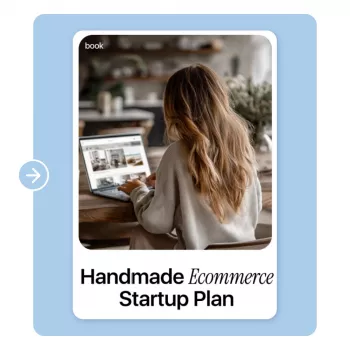
A Business Guide for Makers can turn creative ideas into a clearer path for selling online. Many makers start with talent, passion, and beautiful products. The hard part is turning that creativity into a shop that feels organized and profitable. You need product planning, pricing structure, branding, photography, inventory habits, and a realistic launch process. Without a plan, even great products can feel difficult to sell. The Handmade Ecommerce Startup Plan helps makers build that foundation step by step. It gives creative sellers a practical way to prepare before launching. A handmade business becomes stronger when creativity and structure work together.
A Business Guide for Makers matters because creativity alone does not create a sustainable shop. You need to understand what you sell, who buys it, and why your products feel different. A clear maker business roadmap helps you organize those decisions before you open your store. It also helps you avoid building everything from emotion alone. You can define your best product categories. You can choose a realistic launch collection. You can plan packaging, pricing, and customer experience. This makes the business feel less overwhelming. It also gives your handmade work a stronger chance to reach the right buyers.
A focused product line is easier to sell than a scattered collection. New makers often want to offer every idea at once. That can confuse shoppers and complicate production. Choose a small launch collection with a clear theme, material, style, or purpose. A practical handmade product strategy helps you decide what belongs in the first launch. Think about what you can produce consistently. Think about what photographs well. Think about what customers can understand quickly. A smaller collection can still feel complete. It gives your shop a stronger identity from day one.
A Business Guide for Makers should always include pricing because handmade pricing affects survival. You need to cover materials, time, fees, packaging, marketing, and profit. Guessing prices can lead to burnout. Underpricing may attract buyers, but it can make the business impossible to maintain. A simple craft product pricing system helps you make calmer decisions. The Handmade Ecommerce Startup Plan supports this kind of structured thinking. Pricing should respect your work. It should also make sense for your audience, positioning, and long-term goals.
Your handmade brand is more than a logo. It includes your product style, photography, packaging, tone, values, and customer experience. Buyers often choose handmade products because they want meaning, charm, story, and individuality. A thoughtful handmade brand identity helps you communicate those qualities clearly. Use consistent colors, product names, descriptions, and visual direction. Share why the product exists. Show how it can be used, gifted, worn, displayed, or enjoyed. Strong branding makes a small shop feel trustworthy. It also helps shoppers remember you after they leave the page.
A Business Guide for Makers should make launching feel manageable. Before publishing your shop, prepare product photos, descriptions, pricing, inventory, shipping settings, and customer policies. Create a launch checklist so nothing important is missed. A reliable small business launch checklist keeps the process organized. The Handmade Ecommerce Startup Plan gives makers a practical planning structure for this stage. Launching does not need to be perfect. It needs to be clear, prepared, and easy for customers to understand. A steady launch gives your shop a stronger first impression.
A Business Guide for Makers becomes most valuable after the first launch. Track which products get attention, which listings convert, and which questions customers ask. Use a creative seller marketing routine to stay visible without exhausting yourself. Improve photos, descriptions, bundles, and seasonal offers based on real results. A maker business grows through consistent improvements. Each small system makes your creative work easier to sell.




Leave a comment